Fitness
Train holistically, because every movement counts
How the interaction of different movement types leads to success. With Olympic champions Laura Nolte and Deborah Levi.
When professional bobsleigh athletes Laura Nolte and Deborah Levi get up on a training day, it’s not just the ice track waiting for them. A yoga session in the morning, strength training at midday, running in the evening – and in between, the meticulous maintenance of their bobsleigh. What may look like training chaos at first glance is actually a perfectly orchestrated symphony of holistic training. Because these Olympic champions in bobsleigh have understood what many recreational athletes are still discovering: true performance is created through the intelligent interaction of different forms of movement [1].
Questions and table of contents
What does holistic training really mean?
Holistic training goes far beyond classic “pumping iron” in the gym. It means understanding and training your body as a complex, interconnected system. Scientific studies show that a holistic approach using functional training and varied movement patterns that engage multiple muscle groups simultaneously can measurably improve sprinting, jumping and overall movement performance [2].
You can imagine your body like an orchestra. Partial or one-sided training would mean perfecting individual musicians while neglecting others. Holistic training, on the other hand, focuses on the harmonious interaction of all musicians – and that’s where the magic happens [3].
For me, movement is more than just my job. It’s part of who I am. It helps me stay balanced, calm and centered. And in competition, movement makes me feel light. It helps me perform when it counts.” (Laura Nolte)
Our Bauerfeind Sports holistic products
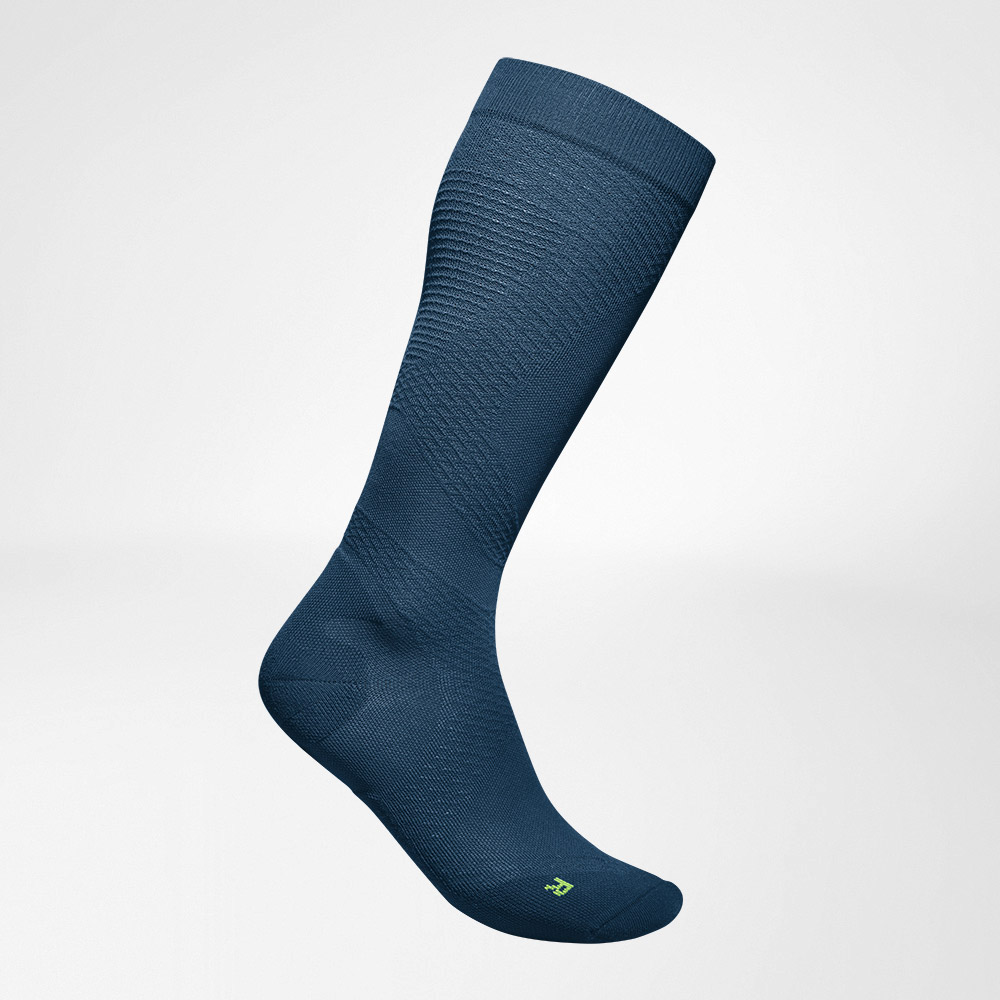
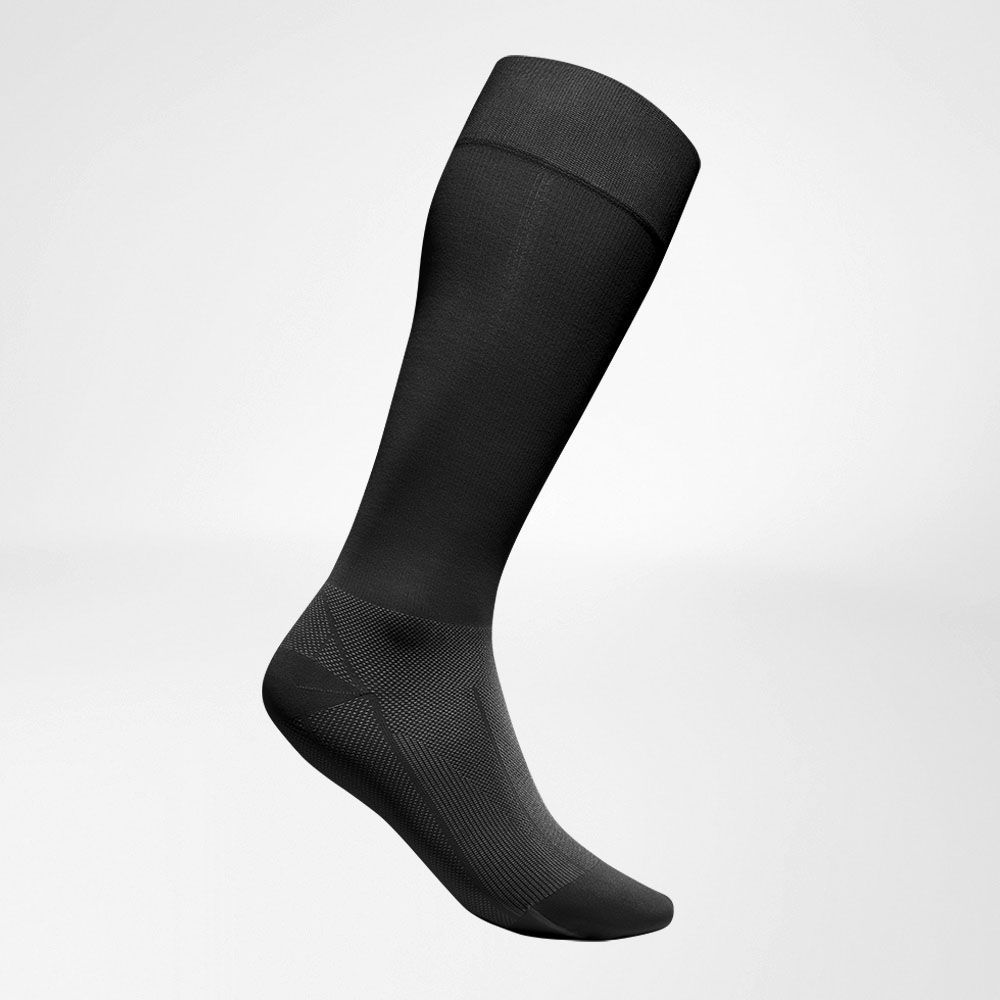


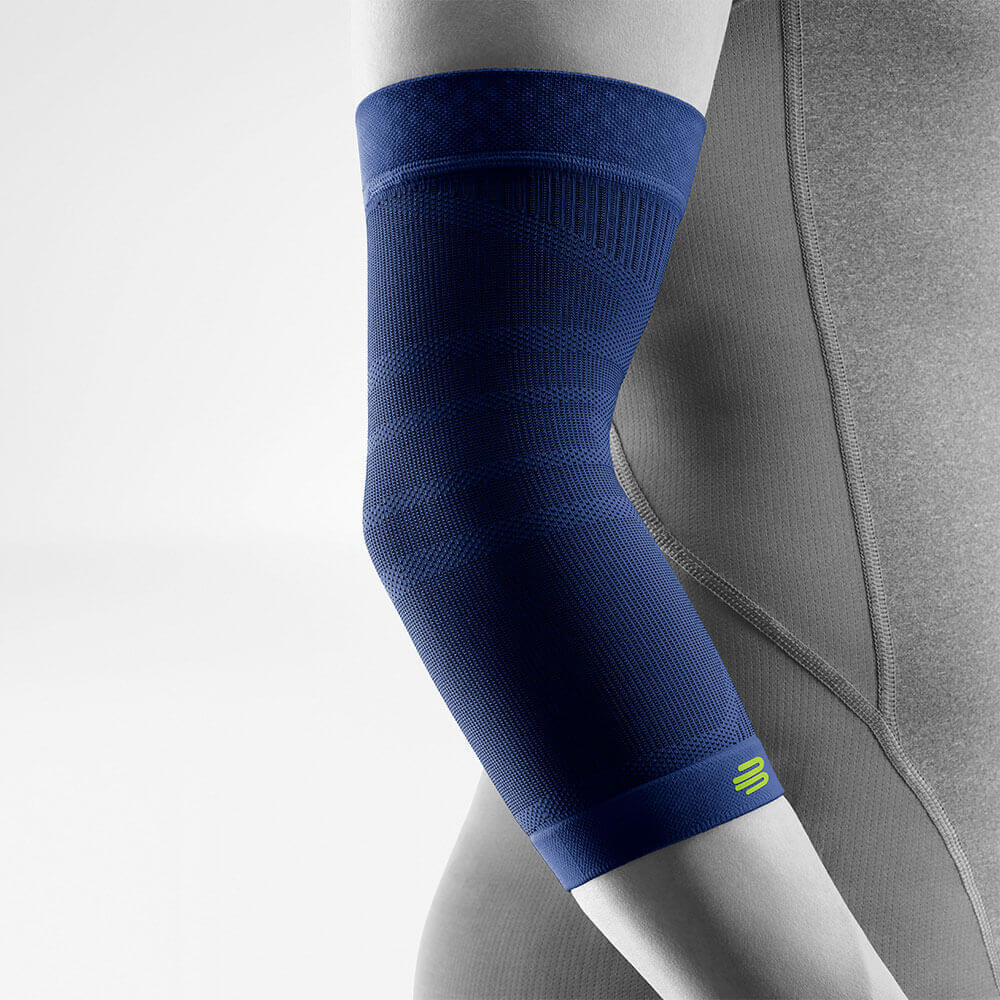
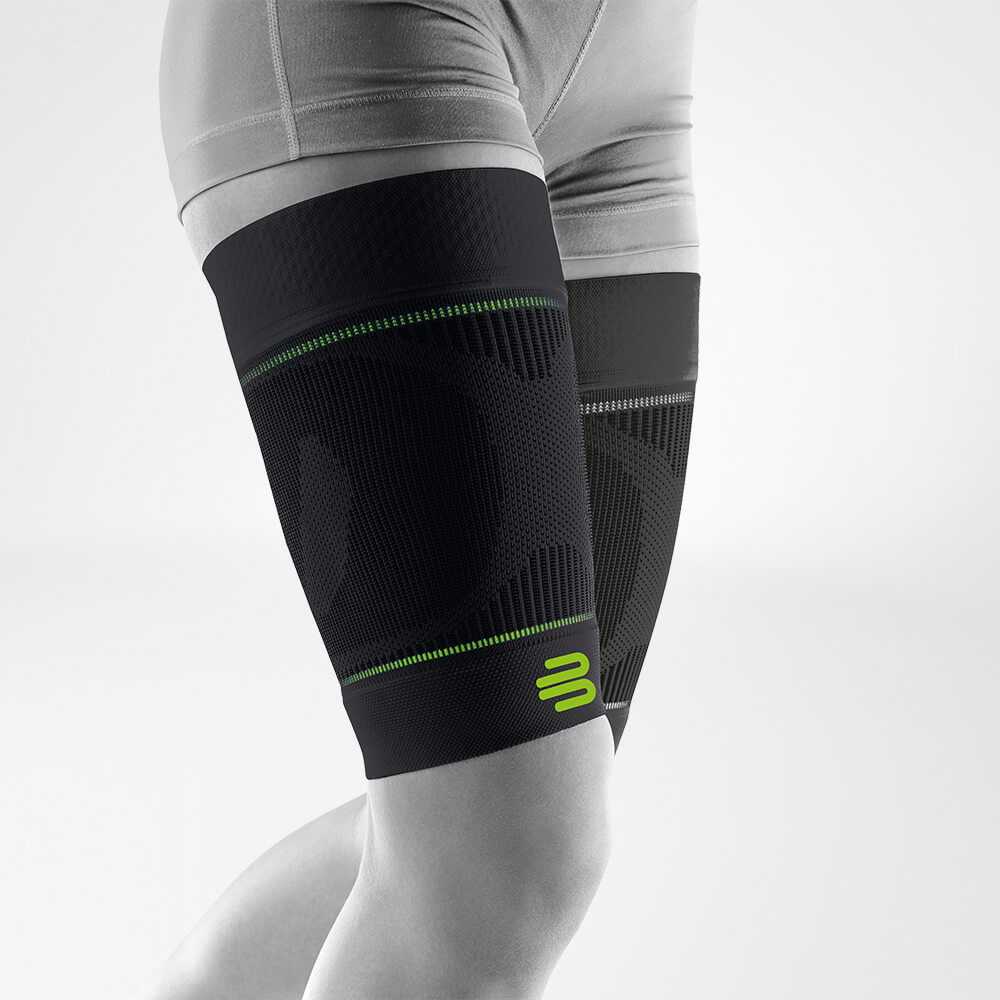


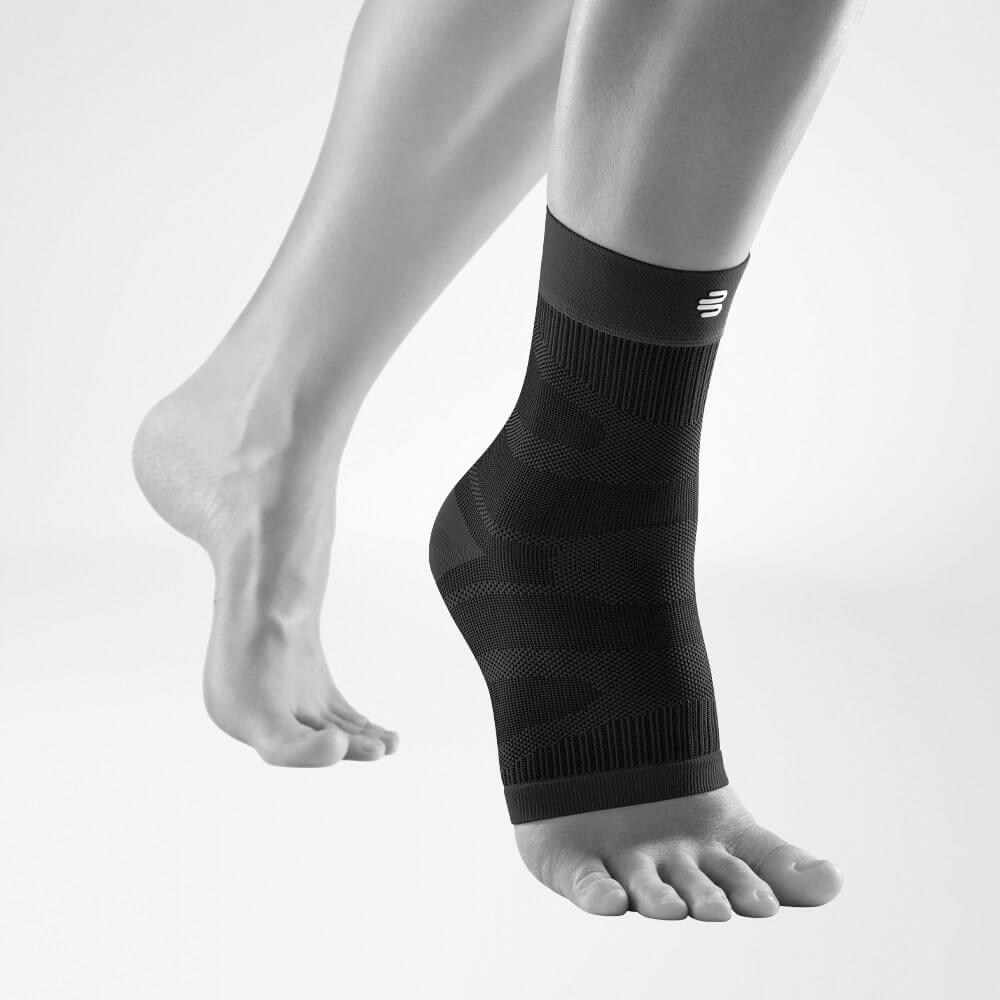
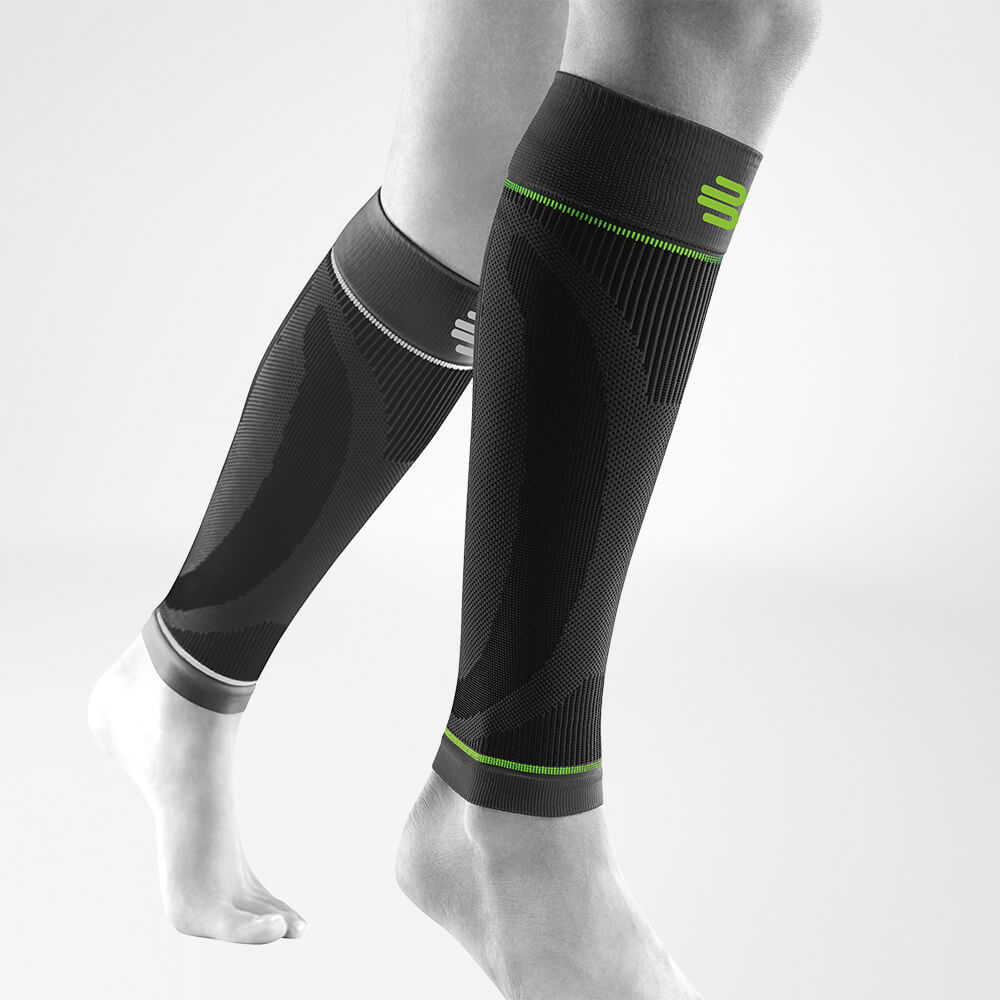
The building blocks of holistic training

Strength training: your stable foundation
Laura and Deborah know that nothing works without a solid strength base. But strength training in a holistic approach does not mean hours of isolated biceps curls. Instead, they focus on functional movements that activate multiple muscle groups at once. Studies show that functional strength training not only builds muscle, but also improves movement efficiency and helps prevent injuries. Core stability is especially important, as it forms the center of all movement – from bobsleigh starts to everyday activities like climbing stairs. Kettlebell exercises are particularly effective here [4].
Endurance: the cardiovascular system as your engine
Endurance training is far more than monotonous treadmill running. Modern concepts such as HIIT (High-Intensity Interval Training) show impressive results: just two weeks of HIIT can improve aerobic capacity by up to 20 percent [6]. At the same time, it is more time-efficient than traditional endurance training. Laura and Deborah use a wide range of endurance formats, from relaxed trail runs to intense interval sessions. This variety not only keeps training enjoyable, but also challenges different energy systems in the body.


Yoga and mobility: flexibility meets strength
What do bobsleigh athletes have to do with yoga? More than you might think. The controlled, flowing movements of yoga improve flexibility as well as body control and mental strength. Scientific research shows that yoga practices increase joint mobility and significantly reduce the risk of injury [5]. Just 15 minutes of yoga after training can accelerate recovery and help you stay supple.
Mental strength
The mental component also plays a central role in holistic training. Laura and Deborah must remain focused under pressure, execute movements precisely and trust their bodies completely. Mental strength is not a coincidence. Studies show that breathing techniques, mindfulness and mental training can reduce stress, improve concentration and positively influence movement quality [7]. In a holistic approach, the mind is considered part of the movement system. Conscious breathing exercises or a focused cool-down help process training better, prevent overload and maintain consistent performance over time.


Balance and coordination: the underestimated superpowers
When Deborah and Laura synchronize perfectly during the push phase, that’s pure coordination. Training on unstable surfaces and balance exercises improve neuromuscular control and significantly reduce the risk of falls. These skills are not only relevant for elite athletes. Better balance means more safety in everyday life, fewer injuries and a stronger body awareness [3].
Why recreational athletes should also train holistically
You might be thinking: “Do I really need all of this? I just want to stay fit, not become an Olympic champion.” That’s exactly why holistic training is perfect for you. It prepares your body for the demands of everyday life, not just for the next workout [1]. Even though holistic training may sound like a lot at first, most elements can be easily integrated into daily training routines. And most importantly: the effort is absolutely worth it.

Science is clear:
The proven benefits of holistic training include:
- Injury prevention: Functional training reduces the risk of everyday injuries through improved body control [5]
- Better quality of life: Increased mobility, less pain and better everyday functionality [1]
- Time efficiency: Combined training methods deliver better results in less time [3]
- Sustainability: Varied training stays motivating and engaging over the long term [5]

The parallel: is your body a racing bobsleigh?
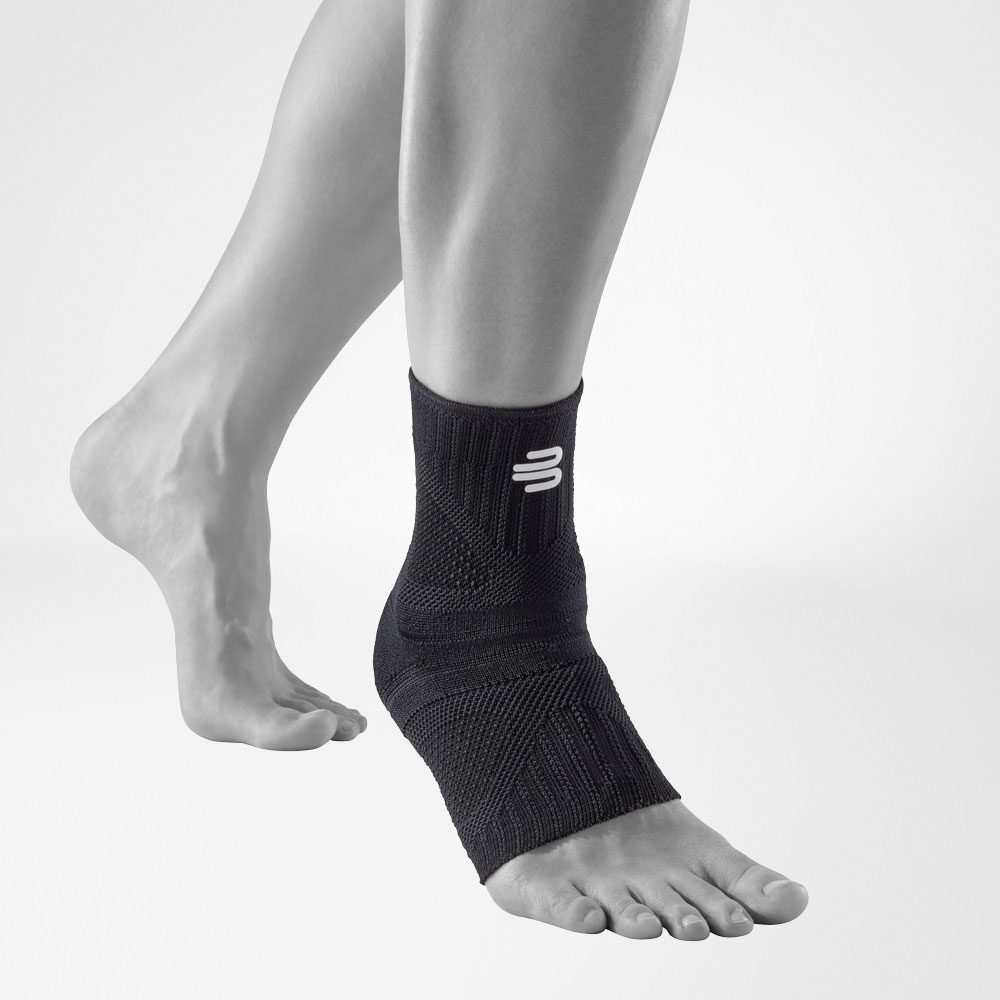
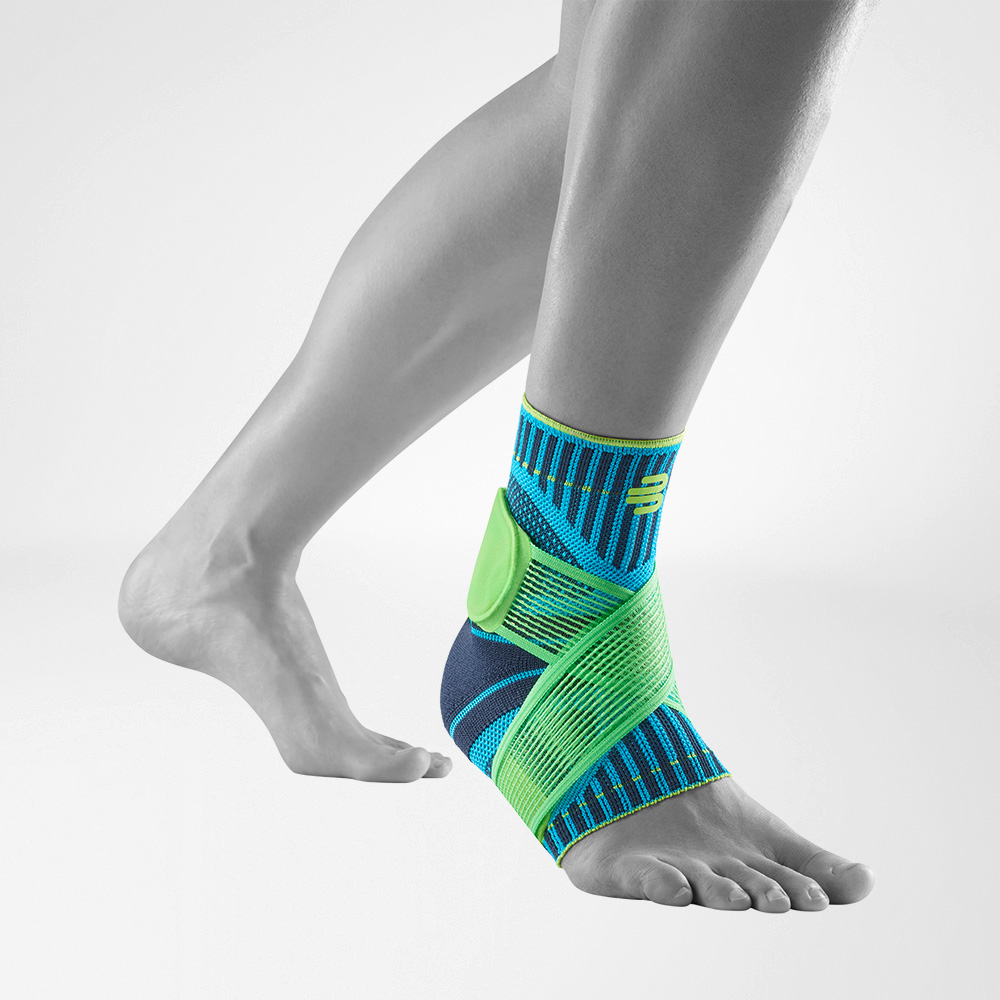
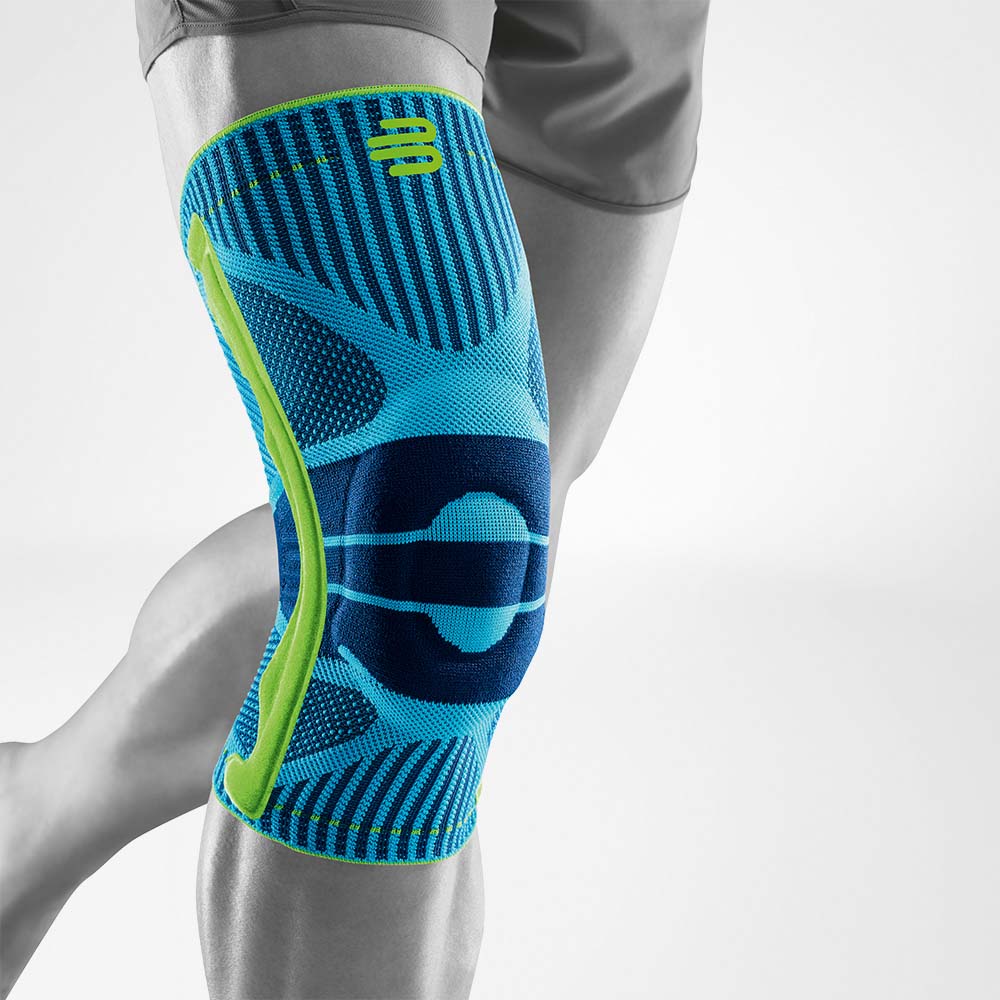
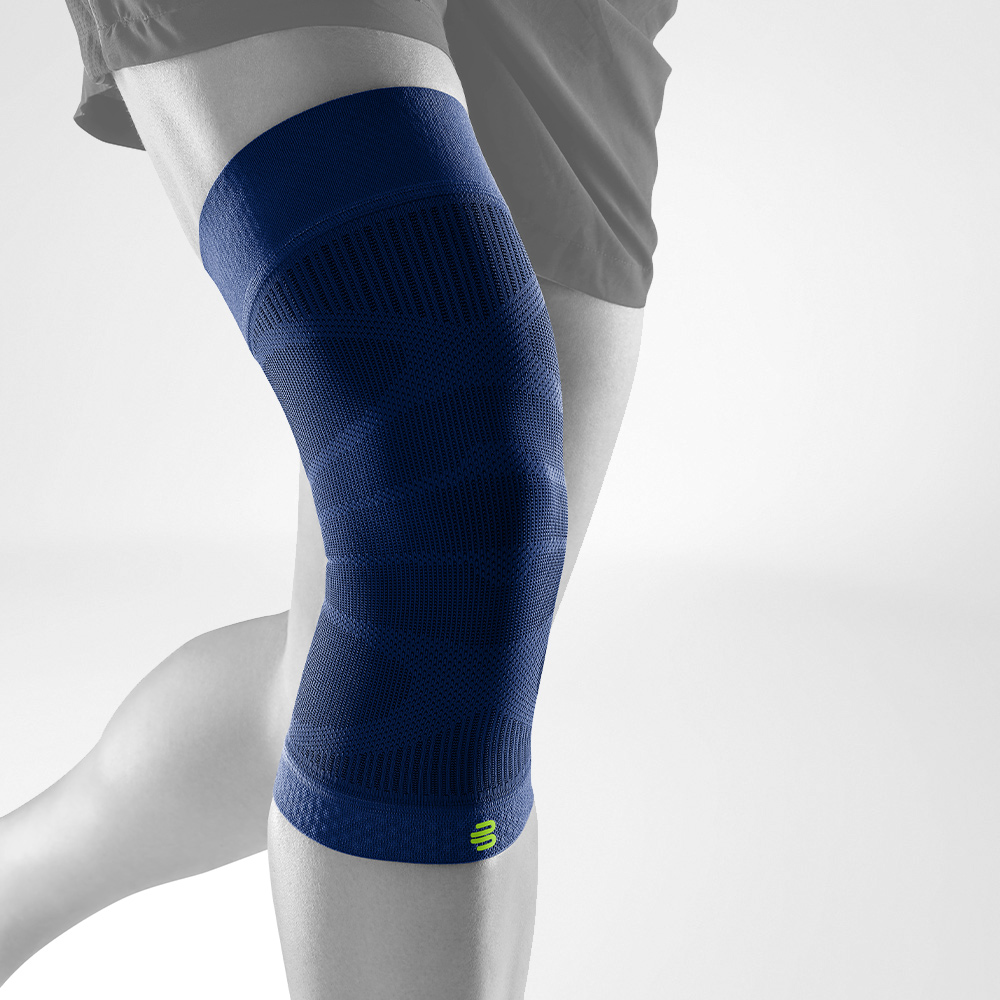
Laura and Deborah spend hours in the workshop maintaining their bobsleigh. Every screw is checked, every runner perfectly sharpened. Why? Because they know that the best training is useless if the equipment fails. The same applies to your body. The right “equipment” is an integral part of a holistic training approach. Bauerfeind Sports products can help stabilize joints, promote circulation and optimize performance.
Getting started with holistic training
You don’t need to adopt an Olympic champion’s training plan right away. Start small:
- Weeks 1–2: Add 10 minutes of mobility training after your workouts
- Weeks 3–4: Replace one isolated strength exercise with a functional movement
- Weeks 5–6: Try a new training format (yoga, Pilates, functional training)
- From week 7: Develop your own individual mix of movement types

Conclusion on holistic training
Holistic training is not a trend – it’s the logical evolution of fitness training. Laura Nolte and Deborah Levi show us impressively that success comes from versatility, balance and the right support. Give your body the same attention that professional athletes give their equipment. Focus on the big picture, not just on muscle size. Improved performance, fewer injuries and more joy in movement are the rewarding results.

About Laura and Deborah
Laura Nolte (born 23 November 1998 in Unna) is one of Germany’s most successful bobsleigh pilots and made sports history when she won Olympic gold in the two-woman bobsleigh together with her brakeman Deborah Levi at the 2022 Winter Olympics in Beijing – becoming the youngest pilot ever to win gold in this discipline. Since then, with numerous World Cup victories and international titles, she has been one of the dominant athletes in women’s bobsleigh, both in the two-woman event and in monobob.
Deborah Levi (born 28 August 1997 in Dillenburg) is one of the strongest brakemen in international bobsleigh. Alongside Laura Nolte, she not only secured Olympic gold in 2022, but also celebrated major successes in the World Cup and at continental championships. Her explosive power at the start and the perfect coordination with Nolte have made the duo one of the world’s top teams for years.
About the author:
Martin is a movement enthusiast and a certified fitness trainer with an A-level license. He actively integrates a holistic approach into his own training routines. In addition to running and cycling, he regularly practices calisthenics, goes climbing and attends yoga sessions. In the evenings, he also tries to consistently include mobility sessions in his daily routine.
List of sources
1 ACSM. ACSM’s Guidelines for Exercise Testing and Prescription. 11th ed. Philadelphia: Wolters Kluwer; 2021.
2 La Scala Teixeira CV et al. Functional training: A conceptual framework. Front Physiol. 2017;8:201.
3 Haff GG, Triplett NT. Essentials of Strength Training and Conditioning. 4th ed. Champaign: Human Kinetics; 2016.
4 Kibler WB, Press J, Sciascia A. The role of core stability in athletic function. Sports Med. 2006;36(3):189–198.
5 Cramer H et al. Yoga for improving physical function and quality of life. PLoS One. 2013;8(10):e75515.
6 Gibala MJ et al. Physiological adaptations to low-volume, high-intensity interval training. J. Physiol. 2012;590(5):1077–1084.
7 Röthlin, P., Birrer, D., Horvath, S., & Grosse Holtforth, M. (2016). Psychological skills training and a mindfulness-based intervention to enhance functional athletic performance: Design of a randomized controlled trial using ambulatory assessment. BMC Psychology, 4(39).