

Hiking
50 kilometers of hiking without training
My self-experiment at the 4Daagse March

In short, the Nijmegen March in the Dutch city of Nijmegen is the largest hiking event in the world, with 45,000 participants from more than 70 nations. The participants aim to cover 30, 40 or 50 kilometers around the city on four consecutive days. But it’s also a huge open-air party along the route during the day and in the city at night. Altogether, about 1.5 million people gather in Nijmegen over seven days to hike, celebrate, and just be part of it. A detailed explanation of the 4Daagse can be found here.
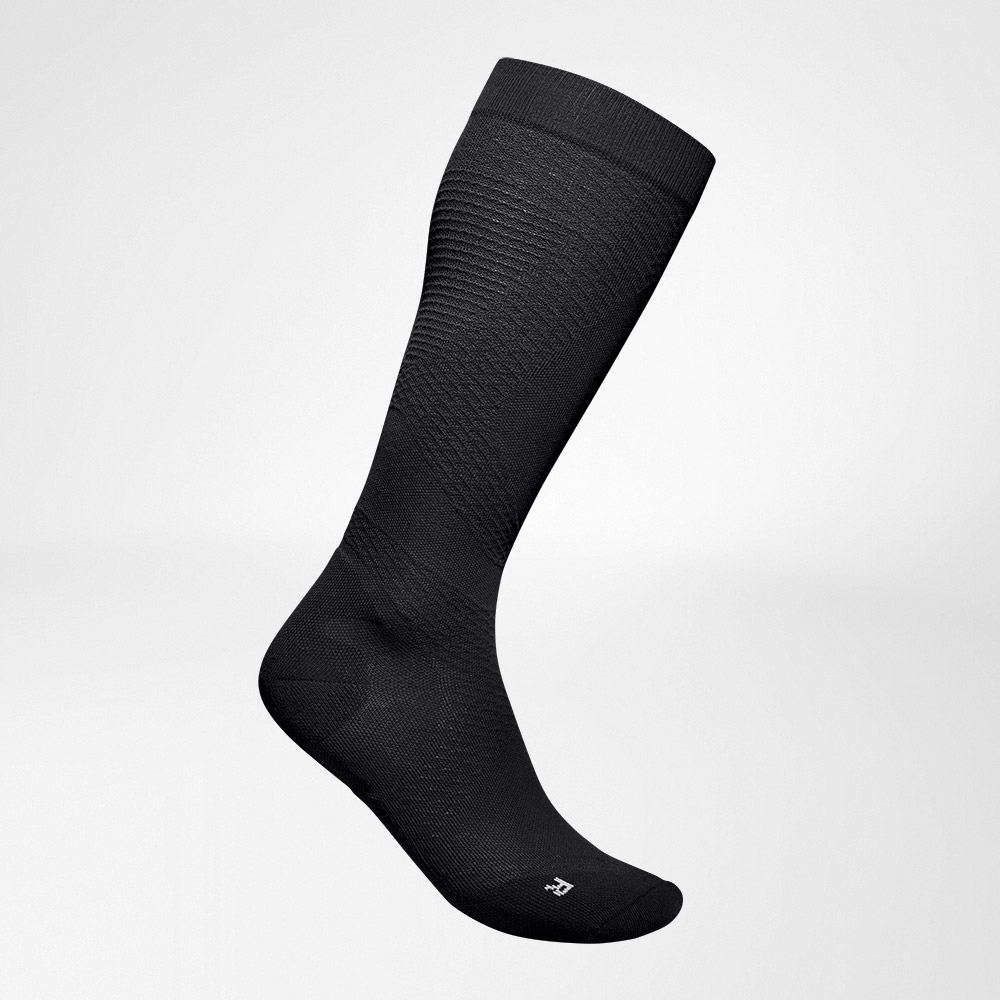
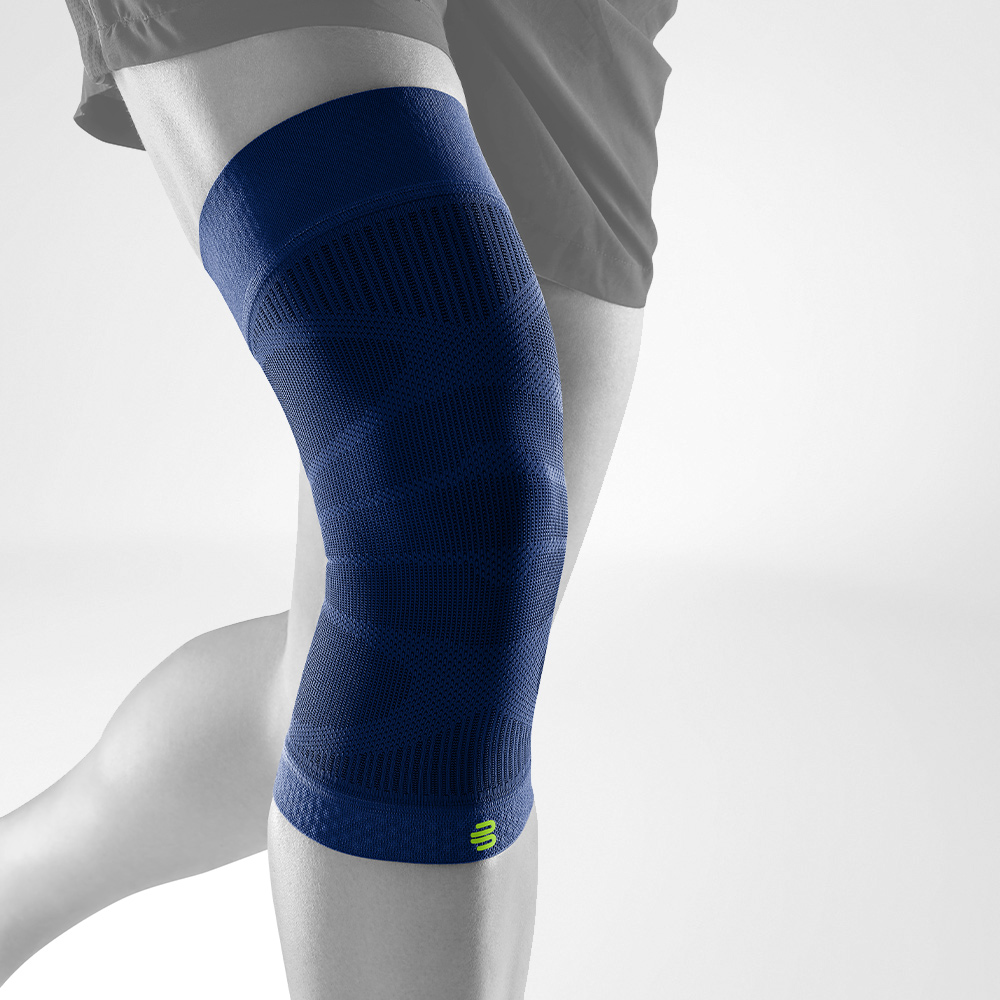
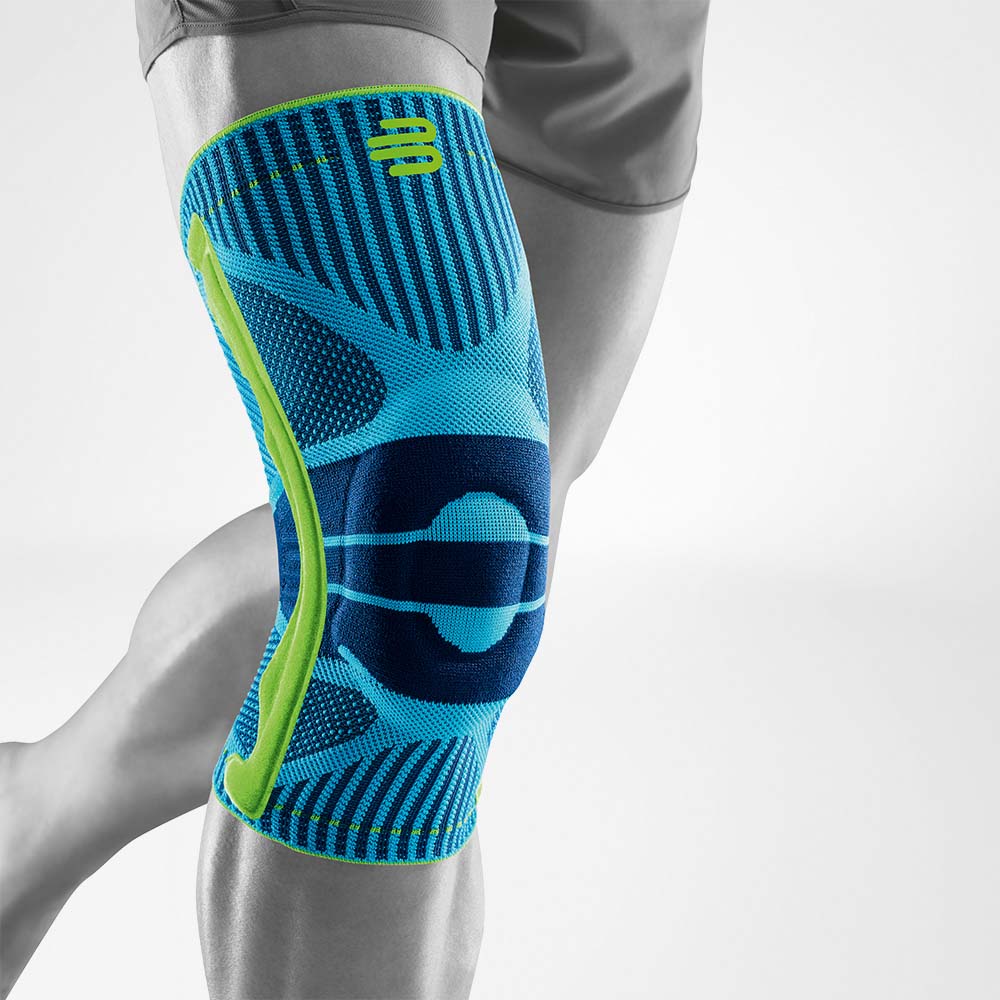
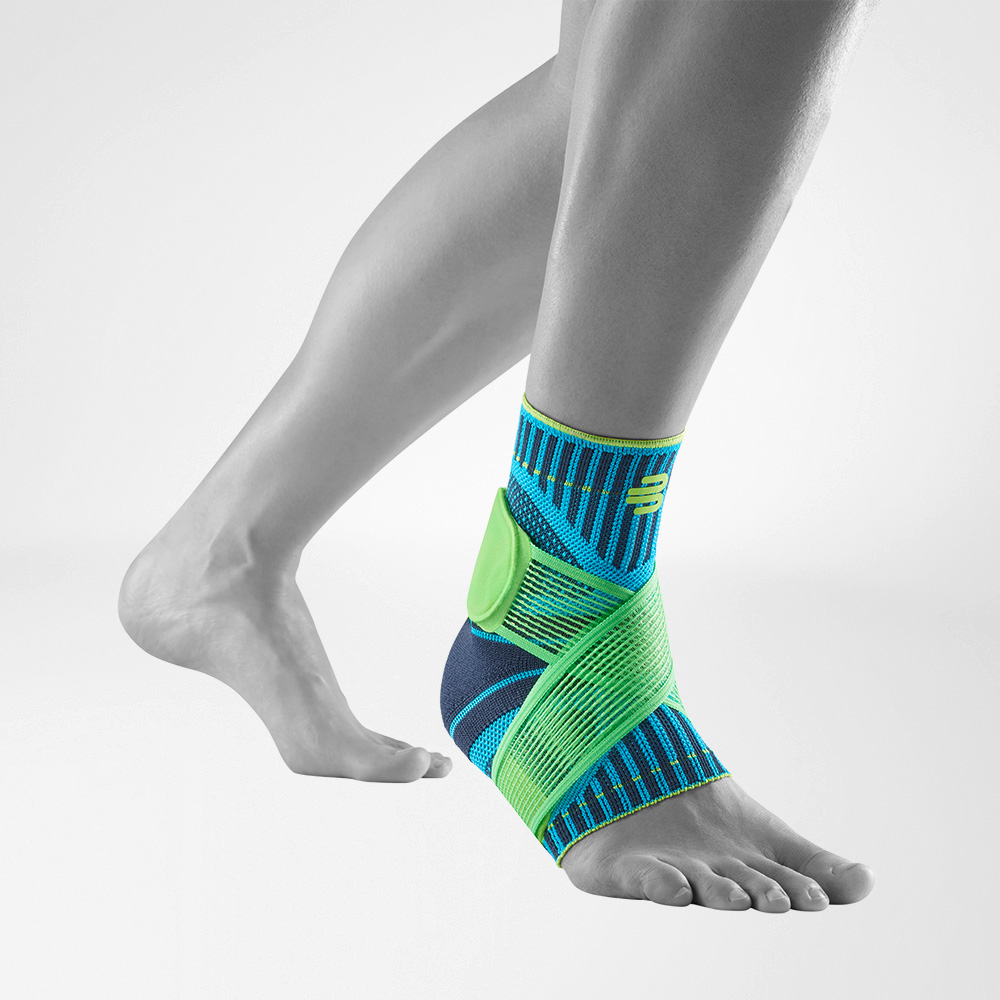
My equipment for the 4Daagse march:



50 kilometers without preparation – my experience
Starting with waiting
The 45,000 participants of the Nijmegen March start together, but also somehow not. The start time is spread between 4 and 7 a.m. I decided on 6 a.m., hoping the big rush would be over. That didn’t quite work out. In front of the start line, hundreds of participants were still standing, their tracking wristbands having to be scanned individually. At 6:20, I finally hit the course.

Originally, the 4Daagse March was a military exercise, and that’s still visible today. Among the participants are groups in camouflage, carrying heavy packs, sturdy boots, and national flags. Together we hiked through Nijmegen, passing the last partygoers from the night before. The atmosphere was fantastic, and my feet were still fresh. We crossed the first big bridge, where the participants lined up like a chain. Then it became quieter. Only here and there a few spectators or musicians. But then, the first houses appeared, glowing in the golden morning sun.

From disco to disco
In step with all the other participants, we walked along small roads from village to village. Everywhere there were people cheering us on or partying. Massive sound systems with local party music and colorfully decorated floats awaited us in every single village. There were countless sweets and snacks offered by children. That such a long hike without experience and training would be much harder than expected, I realized pretty quickly. Suddenly, a 10 KM sign appeared. I thought: “That can’t be right! Only 10 kilometers?”

40 or quit

Although I chatted with several hikers and my mood was great thanks to the incredible atmosphere, when I saw the 20 KM sign, a real mental chill hit me. It was unimaginable to me that I had only covered 20 kilometers. My lack of hiking experience and my usually much faster speeds while cycling or running caught up with me. But not only that my legs and feet were getting noticeably heavier. I hadn’t expected that at all. At that point, it became clear to me that I wouldn’t be able to finish the 50 kilometers that day, at least not without risking lasting damage. Realizing that I had already reached half of my new goal, 40 kilometers, helped my motivation for the moment.
Break!
My most important mental anchor was my one big break after 30 kilometers. There, a hot meal awaited me in the members’ area of the Dutch hiking association KWBN as well as two Dutch colleagues from Bauerfeind who were providing other worn-out hikers with supports. In the last few kilometers, I could see a rain front moving toward us. I reached the aid station just in time and enjoyed my hot meal though I had to eat it standing due to the lack of seats.
Final stretch
After a short chat with my colleagues and right at the end of the rain period, I continued my exhausting hike. Again, countless spectators and huge parties lined the route. The kilometers now seemed to pass surprisingly fast, although by now almost everything hurt. I now also understood why so many hikers wore Bauerfeind Sports compression socks and supports. I was also very happy about my decision to use them. Once more over the big Waal bridge and through the city center of Nijmegen and then, full of joy, excitement, and pride, across the finish line. I hadn’t imagined it would be this hard. And it was equally unimaginable for me to repeat this distance for three more days.

My conclusion after 50 40 kilometers without training – and my tips for long hikes

- Hiking requires endurance and stability and must be trained specifically.
- Proper hiking gear and support through compression and braces prevent overload and keep the muscles in the optimal performance zone for longer.
- A well-prepared strategy for such a massive march is essential.
- One long break during an eight-hour hike is not enough — better several shorter ones.
- Not the legs, but the mind gets you to the finish line. The right mindset and motivation through conversation, food, and positive thinking are the most important things.
Our top products for you


About the author
Martin is a passionate athlete, mainly at home in endurance disciplines such as cycling, running, and triathlon. Nevertheless, he likes to take on challenges that are not his strong suit (like extreme hiking). As a certified fitness trainer with an A-license and an Ironman finisher, he has already mastered several challenges – but none caught him as unprepared as the long-distance hike at the 4Daagse.