

Handball
Ankle injury in handball:
Causes, treatment & prevention
Sprinting, stopping, jumping, landing, changing direction – that’s handball. But all of this puts a lot of strain on your ankles. It’s no surprise that ankle injuries are among the most common injuries in handball. In this guide, you’ll learn everything you need to know – from causes and proper treatment to effective prevention strategies.
Questions and table of contents
How do ankle injuries occur in handball?
Handball is a (contact)-intensive sport with very high demands on the ankle joint. The typical movement patterns in handball therefore create “ideal” conditions for ankle injuries.
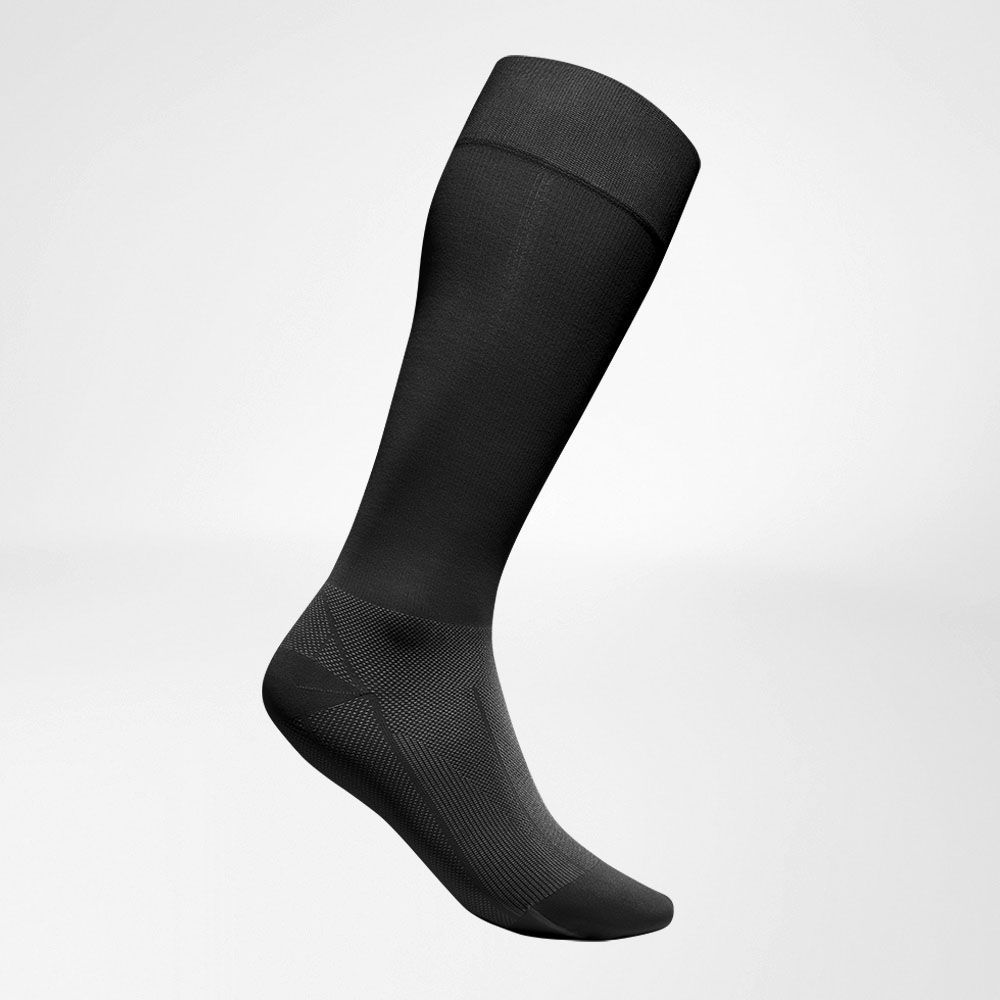
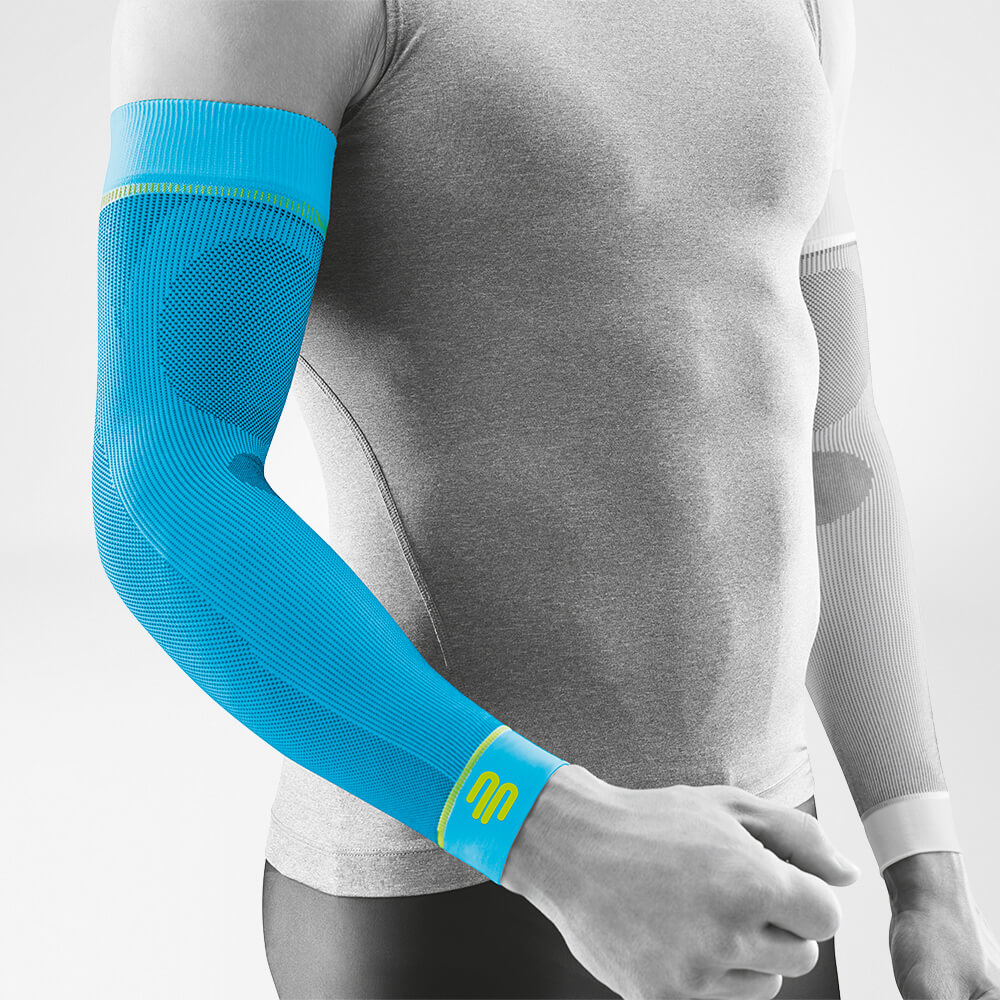
Our Bauerfeind Sports handball products




Typical injury situations
Rolling the foot outward is the most common injury mechanism in handball. This happens especially during:
- Landings after jump shots
- Abrupt changes of direction during play
- Physical duels with body contact
- Explosive starts from a standing position
- Stepping on an opponent’s foot

Risk factors for handball players
- Studies show that female handball players have a significantly higher risk of injury than male players. The injury rate for women is 27.7 injuries per 1,000 playing hours, compared to just 10.6 for men¹.
Additional risk factors for ankle injuries in handball
- Age over 20 years
- Insufficient warm-up or mobility work
- Fatigue during training or matches
Support with our ankle braces
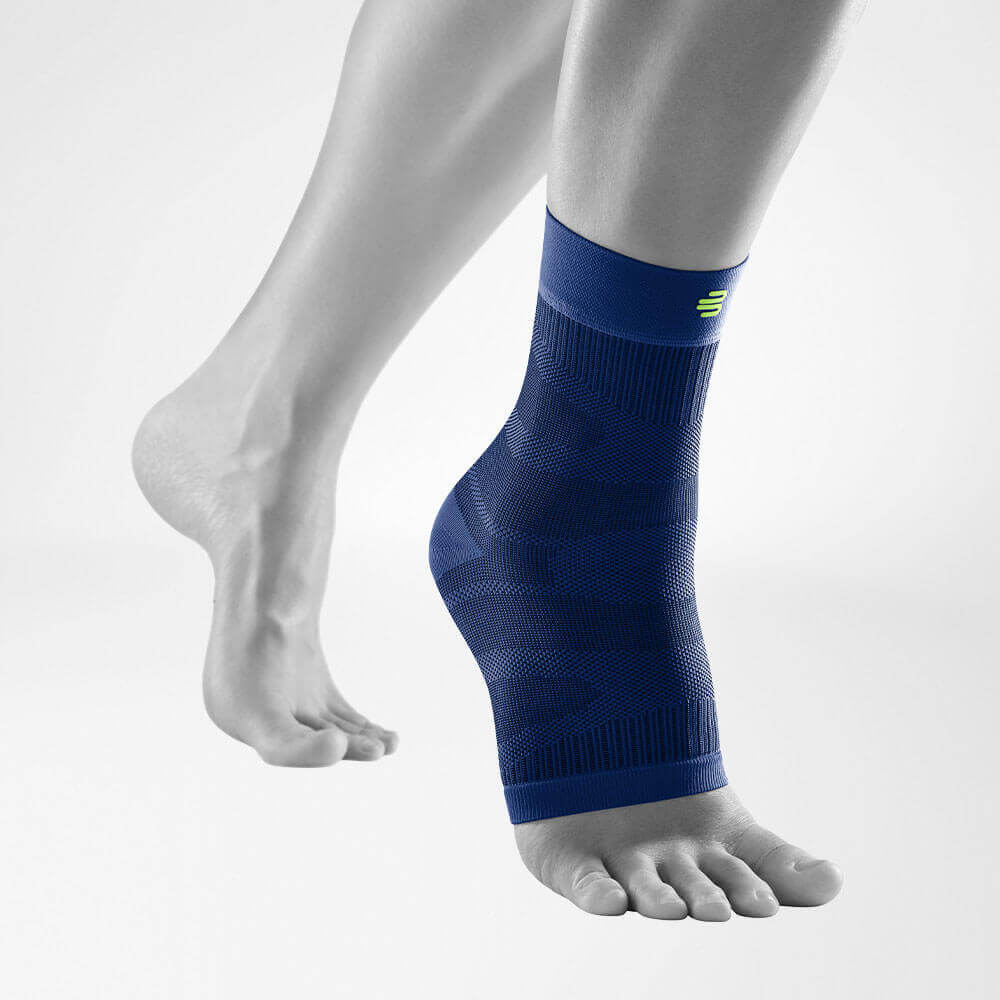
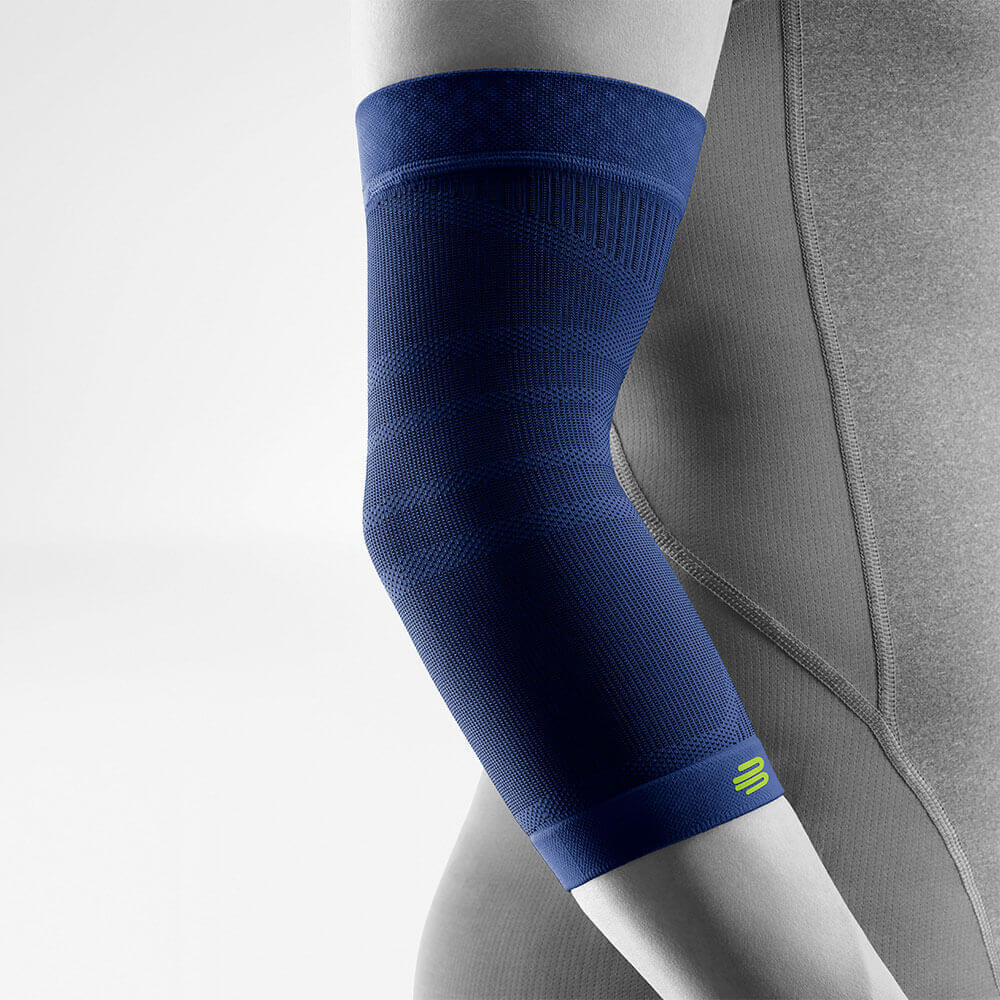
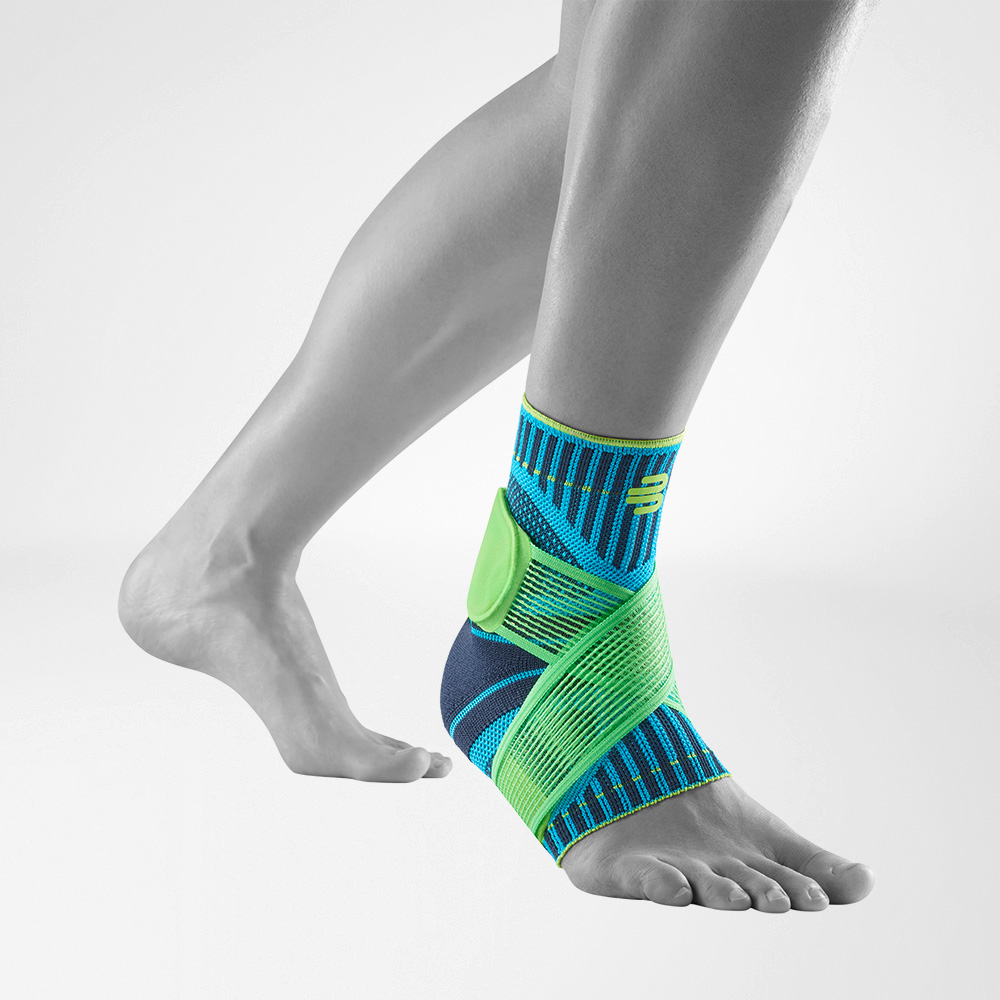
Various scientific studies have identified ankle braces as an effective aid both before and after injuries in handball⁵ ⁶. The Bauerfeind Sports Ankle Support, Sports Ankle Support Dynamic and Compression Ankle Support offer valuable benefits exactly when the ankle is exposed to high loads – during jumping, landing, rapid changes of direction or sudden stops. All three supports assist your movements through targeted, light compression and enhanced proprioception. Body awareness improves, the foot is better stabilized and the risk of uncontrolled rolling is reduced. Especially in cases of repeated stress or previous ankle problems, they provide reliable additional stability and increase safety on the court. In the long term, an ankle brace is also more cost-effective than sports tape, which must be disposed of after every use.

Types of ankle injuries
Not all ankle injuries are the same. The severity and type of injury determine both treatment and recovery time. In handball, the following two types are the most common:
Ankle sprain (distortion)
The most common injury in handball is an ankle sprain, accounting for 55% of all injuries¹. In this case, the lateral ligaments of the ankle are overstretched or partially torn, usually due to uncontrolled foot placement and rolling.
Torn ankle ligament
The anterior talofibular ligament is particularly often affected⁴. This can occur through rolling the ankle or external forces such as fouls or physical contact. A complete ligament tear leads to significantly longer recovery times.
Injury severity levels
Medically, three grades are distinguished:
What differentiates a structured training camp from everyday training?
- Grade 1: Mild ligament overstretching
- Grade 2: Partial ligament tear with moderate instability
- Grade 3: Complete ligament tear with pronounced instability

Immediate measures after injury
The first minutes after an ankle injury are crucial for the healing process. Correct action can prevent complications and speed up recovery.
Apply the RICE rule
R – Rest: Stop sporting activity immediately
I – Ice: Cool for 15–20 minutes every 2–3 hours
C – Compression: Apply a compression bandage
E – Elevation: Elevate the leg above heart level
Important warning signs
Seek medical attention immediately if you experience:
- Severe pain and inability to bear weight
- Visible deformity of the ankle
- Numbness or tingling in the foot
- Bluish discoloration of the toes
Conclusion
Ankle injuries are part of everyday life in handball – which makes understanding their causes, symptoms and preventive measures even more important. The sport’s typical demands often lead to sprains or lateral ligament injuries that can become long-lasting without proper immediate care. Knowing risk factors, warming up properly and using preventive ankle braces can significantly reduce injury risk. If an injury does occur, act quickly, apply the RICE rule and seek medical advice in case of severe symptoms.
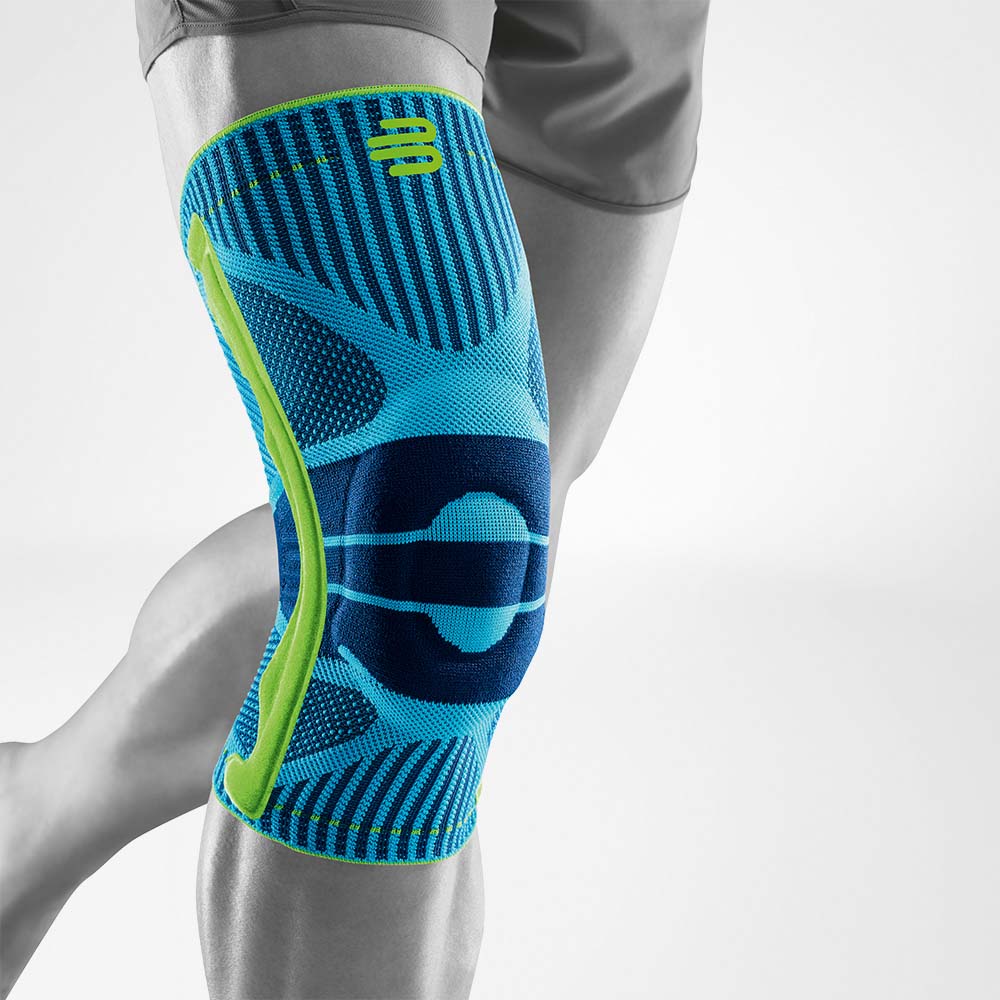
These are our top sellers:

List of sources
1: Šimenko J, Ipavec M. Epidemiology of injuries in female and male senior Slovenian handball leagues. Minerva Med. 2021;112(6):826-833.
2: Luig P, Henke T, Klein C. Injury Prevalence of the Lower Limbs in Handball Players: A Systematic Review. Int J Environ Res Public Health. 2022;19(1):332.
3: Henke T, Luig P, Schulz D. Aetiology of handball injuries: a case-control study. Br J Sports Med. 2004;38(6):751-756. https://pmc.ncbi.nlm.nih.gov/articles/PMC1478960/
4: Luig P, Henke T, Klein C. Ligament Injuries in Professional Male Handball Players: A 6-Year Longitudinal Study. Sports Med Open. 2024;10(1):15.
5: Raymond J, Nicholson LL, Hiller CE, Refshauge KM. The effect of ankle taping or bracing on proprioception in functional ankle instability: a systematic review and meta-analysis. J Sci Med Sport. 2012;15(5):386–392.
6: Doherty C, Bleakley CM, Delahunt E, Holden S. Ankle bracing for primary and secondary prevention of ankle sprains: a systematic review and meta-analysis. Sports Med. 2017;47(12):2431–2446.
These are our top sellers: