

Climbing
Elbow pain while bouldering and climbing
Where it comes from and what helps
Tennis, golf, climbing: where does elbow pain come from?
At first glance, tennis, golf and climbing do not seem to have much in common. When it comes to elbow pain, they do. In all three sports, there is a lot of tension on the forearm muscles and their tendon insertions at the elbow. Repetitive, high-force movements such as striking and gripping put these structures under heavy strain and can overload them quickly. With overuse, microscopic irritation can develop and gradually turn into pain.
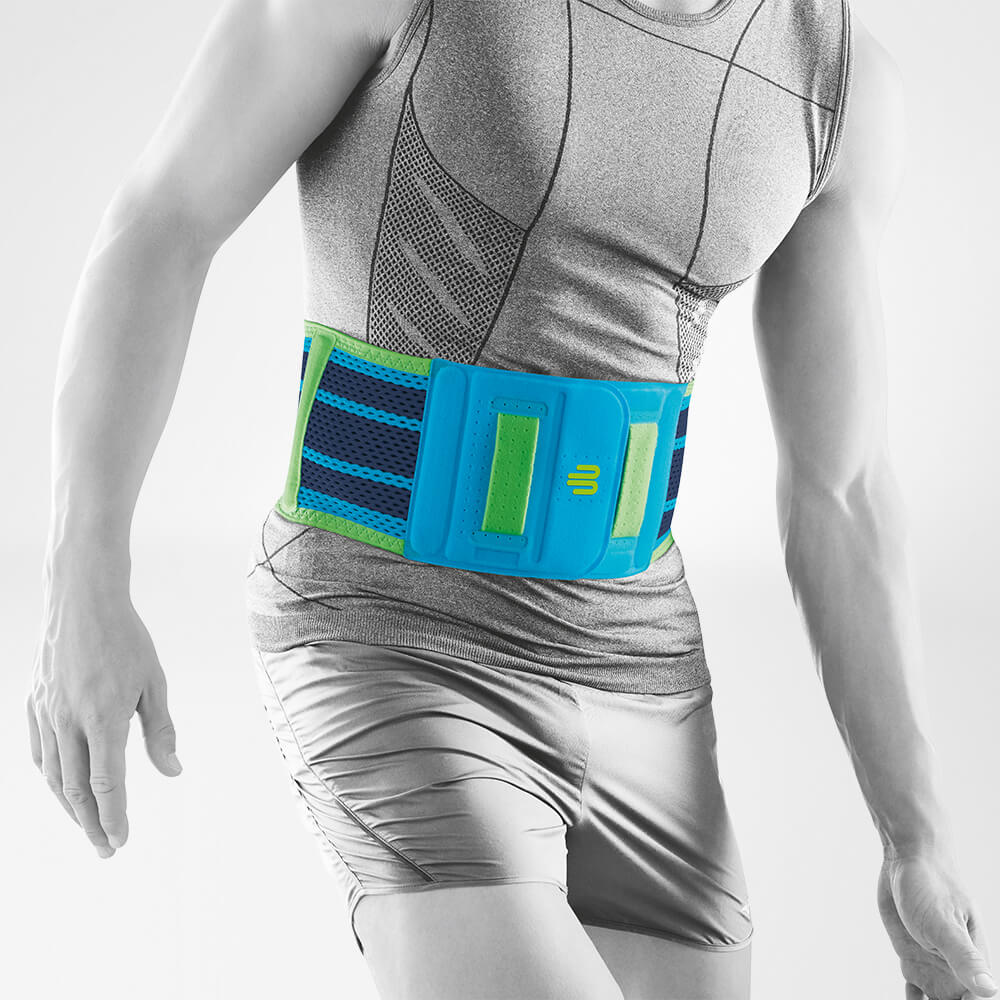
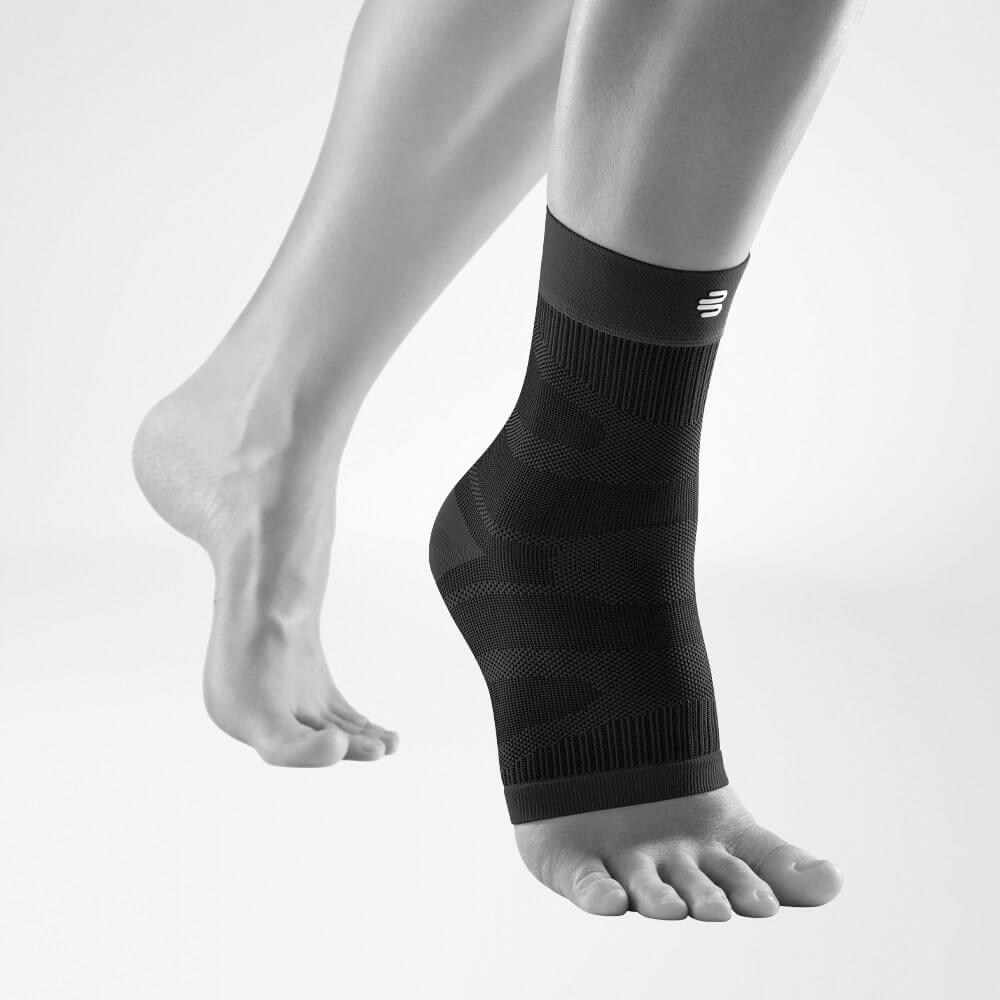
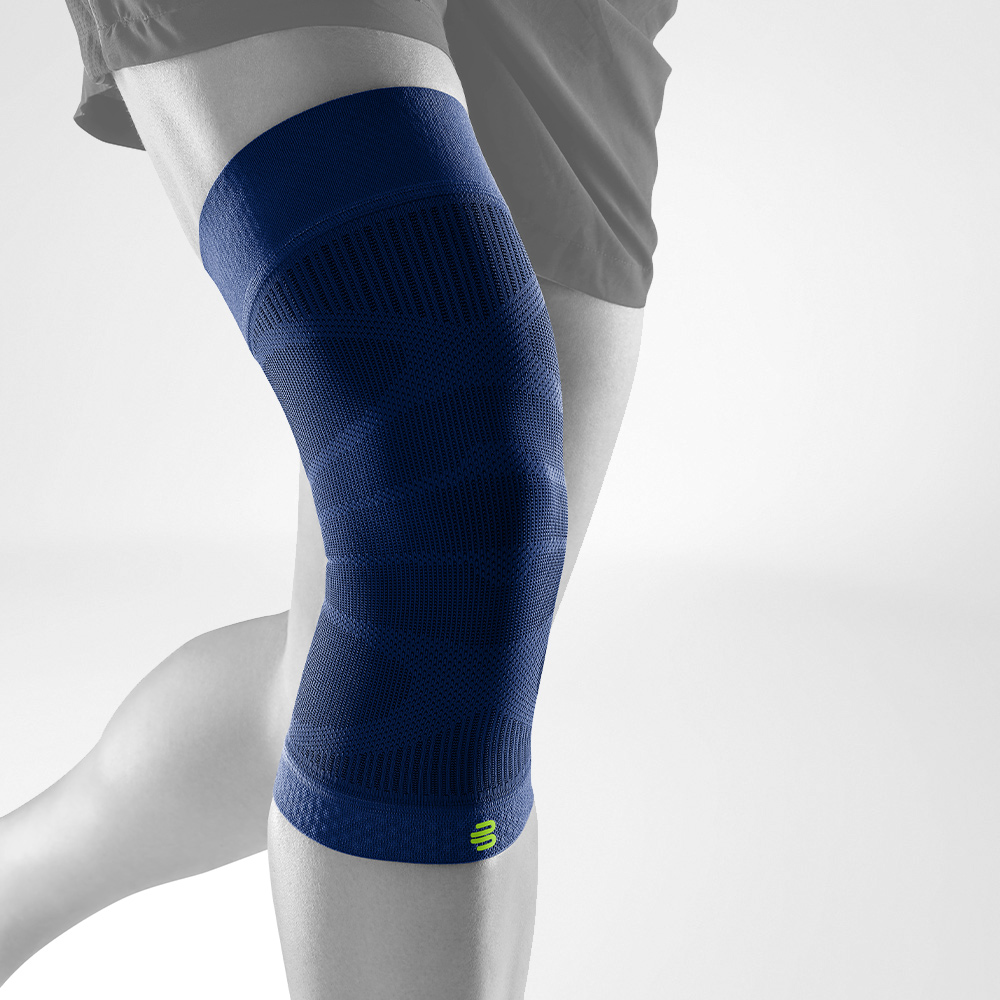
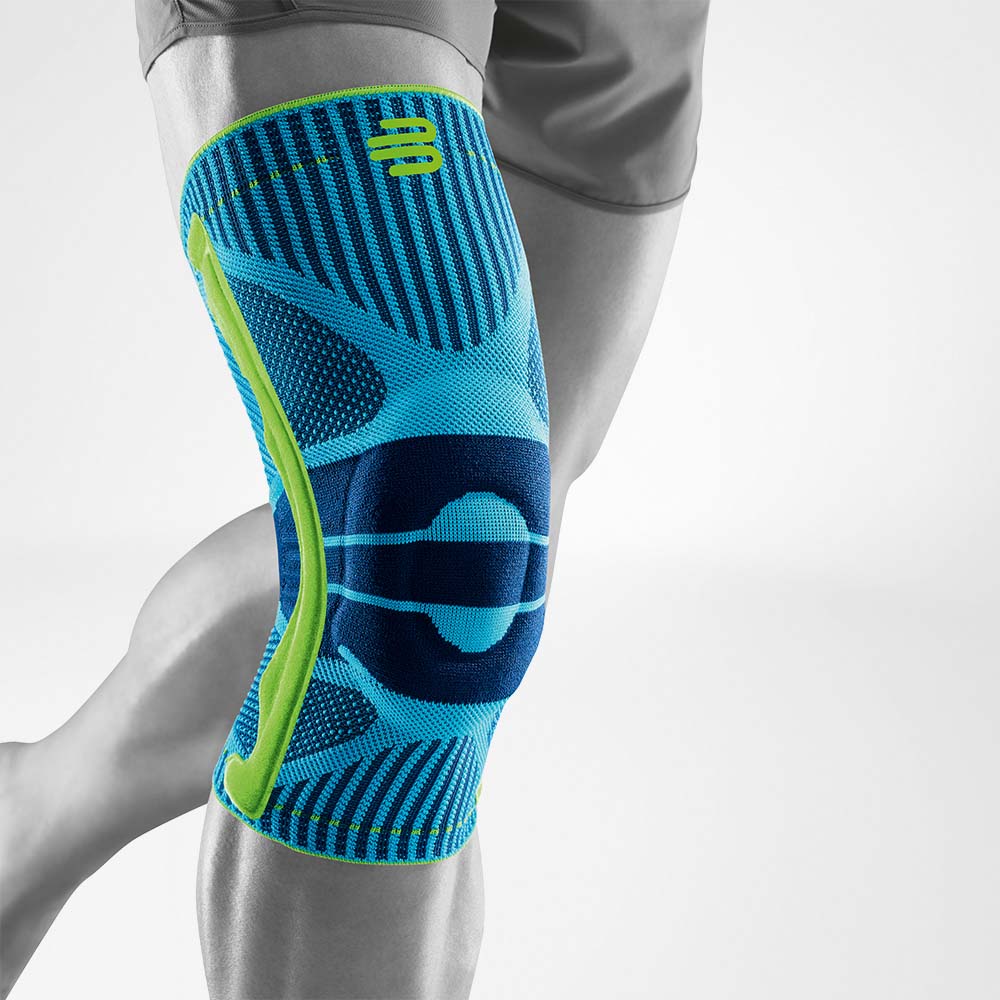
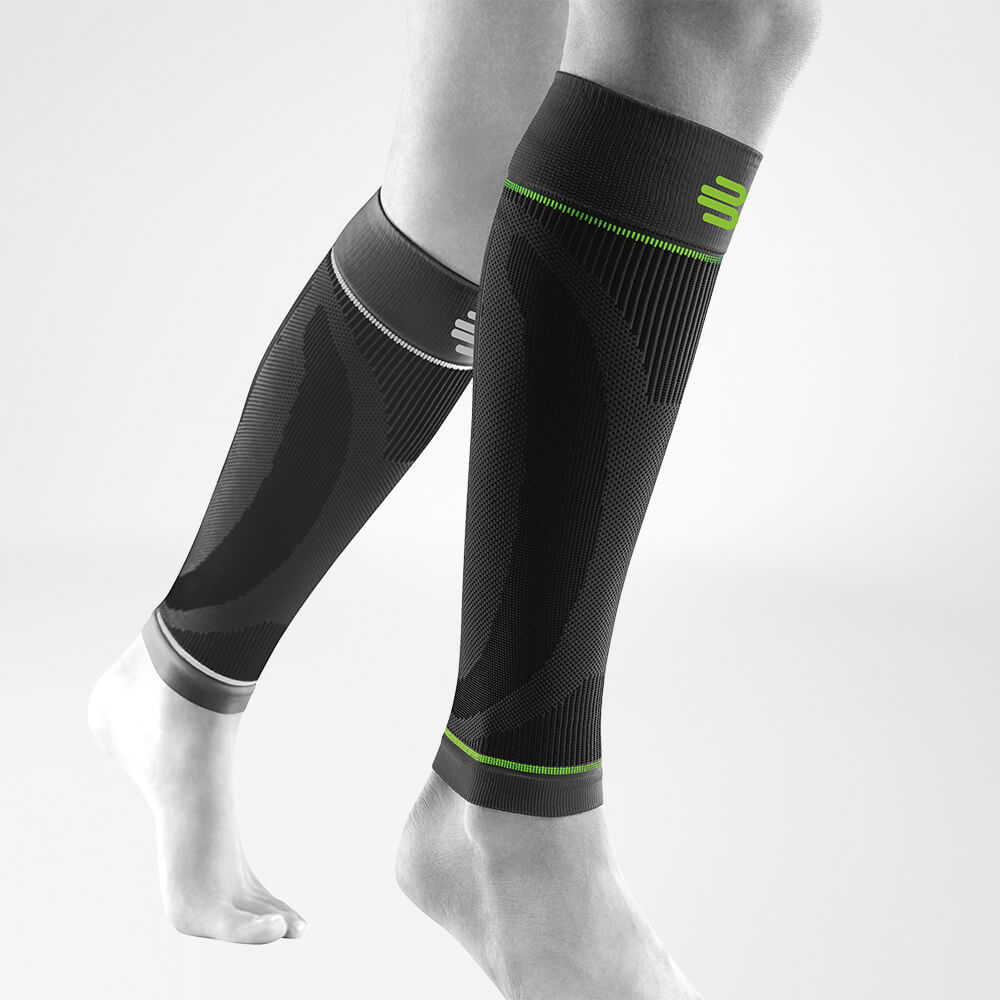
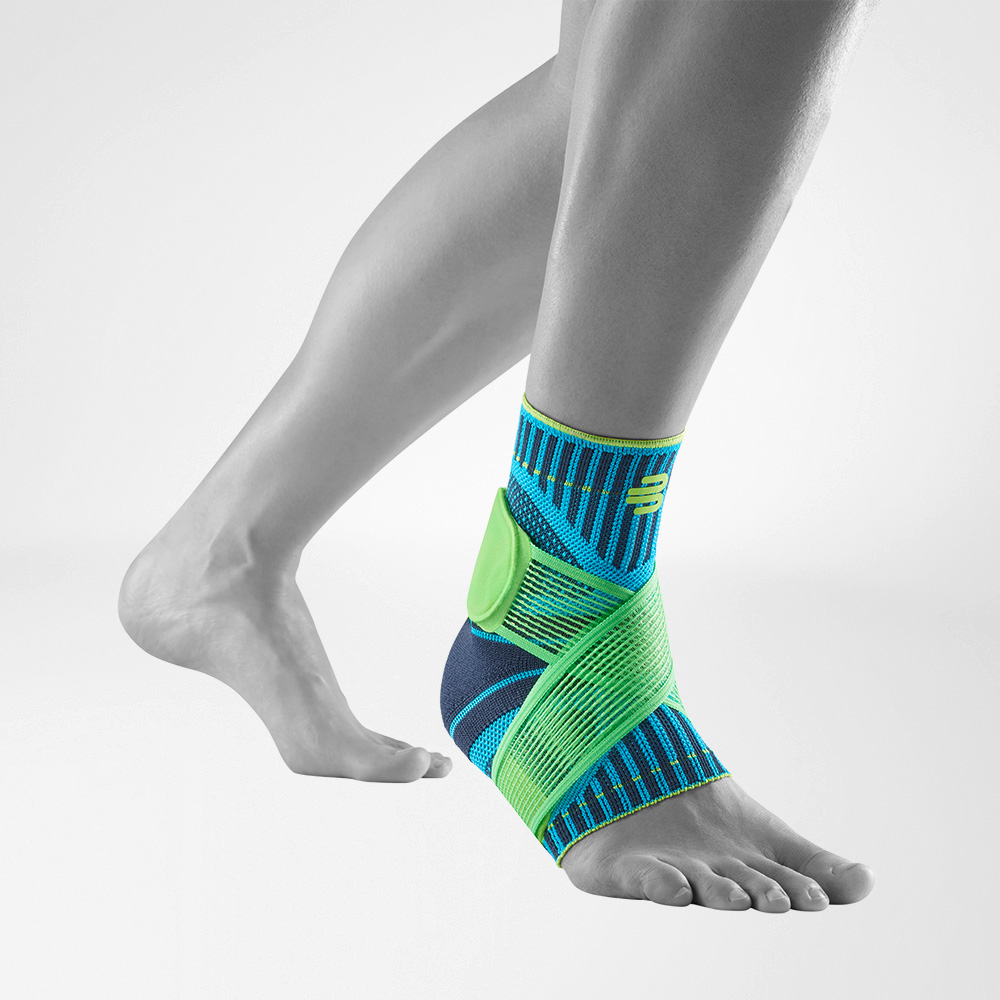
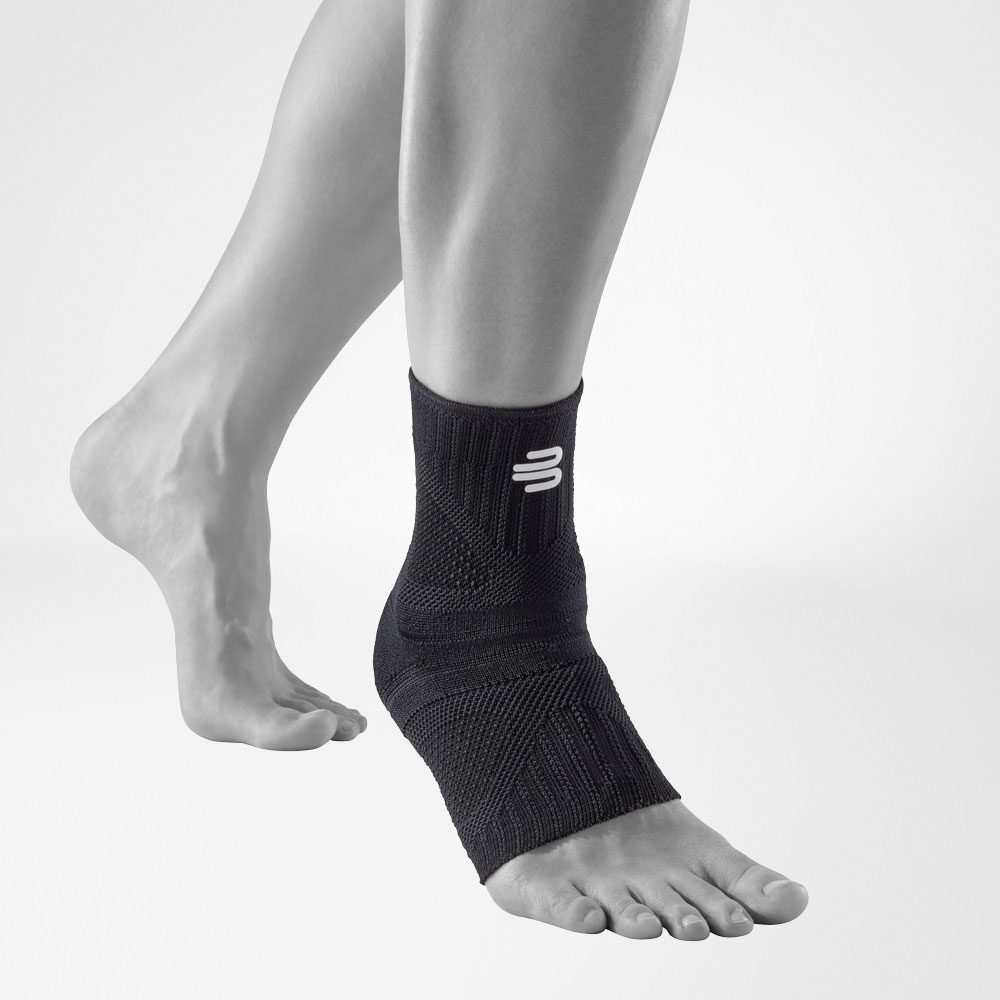
Our products for your outdoor adventures:




Why does climbing cause pain specifically in the elbow?
When gripping small holds, making dynamic moves, or holding with high finger strength, enormous pulling forces act on the flexor and extensor muscles. The tendons that connect these muscles to the elbow must absorb this load over and over again. Scientific research shows that repetitive stress on the forearm muscles is the most common cause of epicondylitis 1; 2. Especially in bouldering, these loads are often very short but extremely intense, particularly during powerful pulls, dynamic movements, or when holding small edges.

Acute or chronic? An important difference
Sometimes pain appears quickly and without warning, sometimes irritation builds up slowly over weeks. Acute symptoms are usually a sharp pain during typical climbing movements. Chronic symptoms feel more like persistent pulling and gradually intensify under load. If you are relatively new to climbing and especially bouldering, it can be hard to interpret the warning signs. But even experienced climbers tend to ignore pain and “just push through anyway.” The rule is: the earlier you react, the better. 3;4.
7 tips for dealing with elbow pain while bouldering and climbing
- Do not ignore pain Pause or reduce your load when your elbow protests. Continuing to climb can worsen the irritation.
- Use light everyday movements Gentle gripping and opening exercises support circulation and help the muscles recover from strain.
- Warm up thoroughly A few minutes with a resistance band, finger trainer or forearm activation noticeably reduces injury risk.
- Gently stretch the forearm muscles Stretching the flexors and extensors (pulling the hand back or down with the arm straight) helps create balance and relieves the tendon insertions.
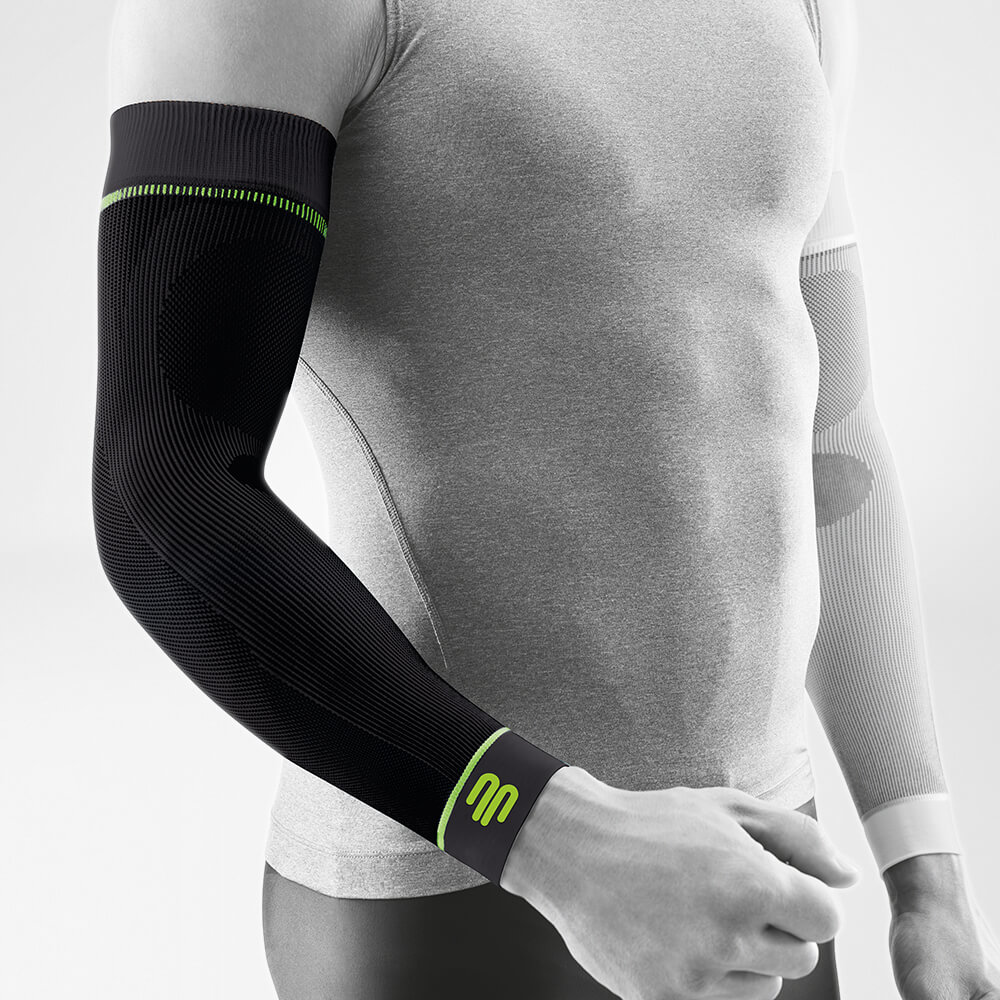
- Stability through supports A support like our Outdoor Compression Elbow Support can relieve the forearm muscles, reduce irritation and give you additional feedback during high-force movements.
- Plan recovery Irritation needs time. Enough sleep, training breaks and active recovery are essential.
- Massage and self-mobilisation Targeted massage of the forearm muscles or using a fascia roller can release tension and improve mobility.

Support with the Outdoor Compression Elbow Support
Compression is one of the best-researched measures for overuse-related tendon insertion complaints. Our Outdoor Compression Elbow Support targets exactly that: thanks to its anatomical fit and targeted compression, the muscles are supported, stabilised and better supplied with blood. When bouldering and climbing, this can help distribute the load at the elbow more evenly. The Outdoor Compression Elbow Support can help both for prevention and for mild symptoms, so you can fully enjoy climbing again.
You keep your natural feel for movement, while benefiting from extra stability and a more secure pulling sensation on the wall. Especially during long sessions or outdoor climbing, the support provides additional help without restricting you.
Conclusion on elbow pain while bouldering and climbing
Elbow pain in climbing is caused by repeated, intense strain on the forearm muscles and their tendon insertions. Reacting early to warning signs is crucial. A combination of reducing load, targeted exercises, sufficient recovery and targeted support through braces has proven effective. Thanks to compression and anatomical fit, the Outdoor Compression Elbow Support provides targeted support to reduce irritation and bring back your enjoyment of climbing.
About the author
Martin is a passionate athlete, primarily active in endurance disciplines such as cycling, running, and triathlon. However, he also enjoys taking on challenges that aren't his forte (like extreme hiking). As a certified fitness trainer with an A-license and an Ironman finisher, he has already conquered a number of challenges. Climbing and bouldering have been among his sporting passions since 2019.
Quellen
1Coombes, B. K., Bisset, L., & Vicenzino, B. (2015). Management of lateral elbow tendinopathy: One size does not fit all. Journal of Orthopaedic & Sports Physical Therapy, 45(11), 938-949.
2Walker-Bone, K., Palmer, K. T., Reading, I., Coggon, D., & Cooper, C. (2012). Occupation and epicondylitis: A population-based study. Rheumatology, 51(2), 305-310.
3Cullinane, F. L., Boocock, M., & Trevelyan, F. C. (2014). Is eccentric exercise an effective treatment for lateral epicondylitis? A systematic review. Clinical Rehabilitation, 28(1), 3-19.
4Bisset, L. M., & Vicenzino, B. (2015). Physiotherapy management of lateral epicondylalgia. Journal of Physiotherapy, 61(4), 174-181.